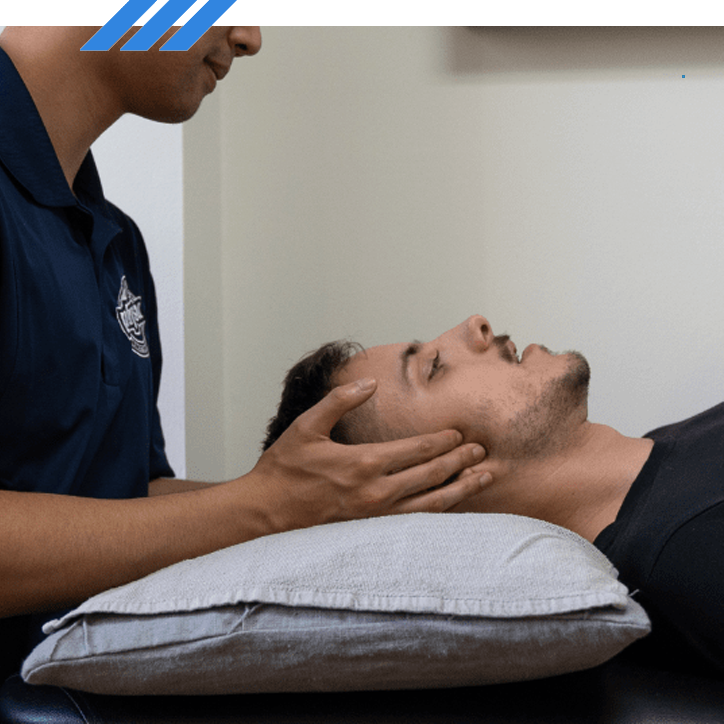
Your temporomandibular joint is one of the most frequently used joints in your body. It connects your jawbone to your skull on both sides and plays a key role in everyday movements like speaking and chewing. If you are experiencing pain or discomfort in this area, you may be dealing with a TMJ disorder. TMJ physiotherapy Vancouver focuses on reducing inflammation in the joint and relieving symptoms such as headaches, neck tension, and ear pain, helping restore more comfortable and natural movement.
TMJ TREATMENT IN VANCOUVER
If you're searching for TMJ treatment in Vancouver, you're likely dealing with more than just a sore jaw. TMJ disorders can radiate into headaches, ear pain, neck stiffness, clicking or locking of the jaw, and even disrupted sleep — and the right treatment plan can make a meaningful difference. At VanCity Physio, our therapists assess the temporomandibular joint alongside the surrounding muscles, cervical spine, and postural patterns that feed into your symptoms. Whether your pain started after a dental procedure, a car accident, or simply built up over months of clenching and grinding, we work with you to identify what's actually driving it and build a treatment plan around the root cause — not just the symptoms.
WHAT DOES TMJ PHYSIOTHERAPY INVOLVE?
A TMJ session at VanCity starts with a detailed assessment. Your TMJ specialist in Vancouver will look at your jaw range of motion, bite alignment, joint tracking, neck mobility, and the muscles surrounding your face, shoulders, and upper back. From there, treatment typically combines several approaches: manual therapy to release tight muscles and improve joint glide, intraoral techniques (working gently inside the mouth, with gloves) to address the muscles most directly involved in jaw movement, and targeted exercises you can do at home to retrain the way your jaw opens, closes, and rests. Depending on your presentation, your therapist may also incorporate IMS, ultrasound, or laser therapy. Posture work is almost always part of the picture, since how your head and neck sit has a direct influence on how the jaw loads and moves.
HOW LONG DOES TMJ PHYSIO TAKE?
Most people notice some improvement within the first two to four sessions, though the full course of TMJ physiotherapy depends on how long your symptoms have been present and what's driving them. Acute issues from a recent injury or short-term clenching often resolve in four to six sessions. More chronic cases — long-standing disc displacements, jaw pain tied to whiplash, or symptoms that have been simmering for years — usually take longer, with sessions spaced further apart as you progress. Individual appointments typically run between 30 and 60 minutes. After your initial assessment, your therapist will give you a clearer timeline, and most patients are eventually discharged with a home program to maintain results once symptoms are well-managed.